Factory Audit vs. Product Inspection: What’s the Difference?
Understand when you need a factory audit, when to conduct an inspection, and how each helps reduce sourcing risks.
Factory audits and product inspections answer different questions. An audit examines a supplier’s facilities and systems. An inspection checks goods against agreed product requirements.
Knowing the difference helps you choose the right check at the right stage, rather than expecting one service to cover every sourcing risk.
What Is a Factory Audit?
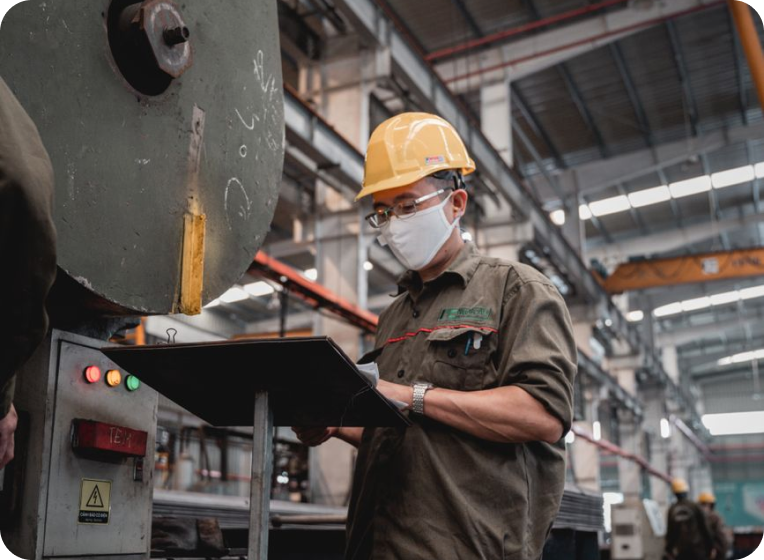
A factory audit evaluates the manufacturer and its operations. Depending on the agreed scope, it may review facilities, equipment, production processes, quality procedures, and relevant records. It helps you understand how the supplier works.
What Is a Product Inspection?
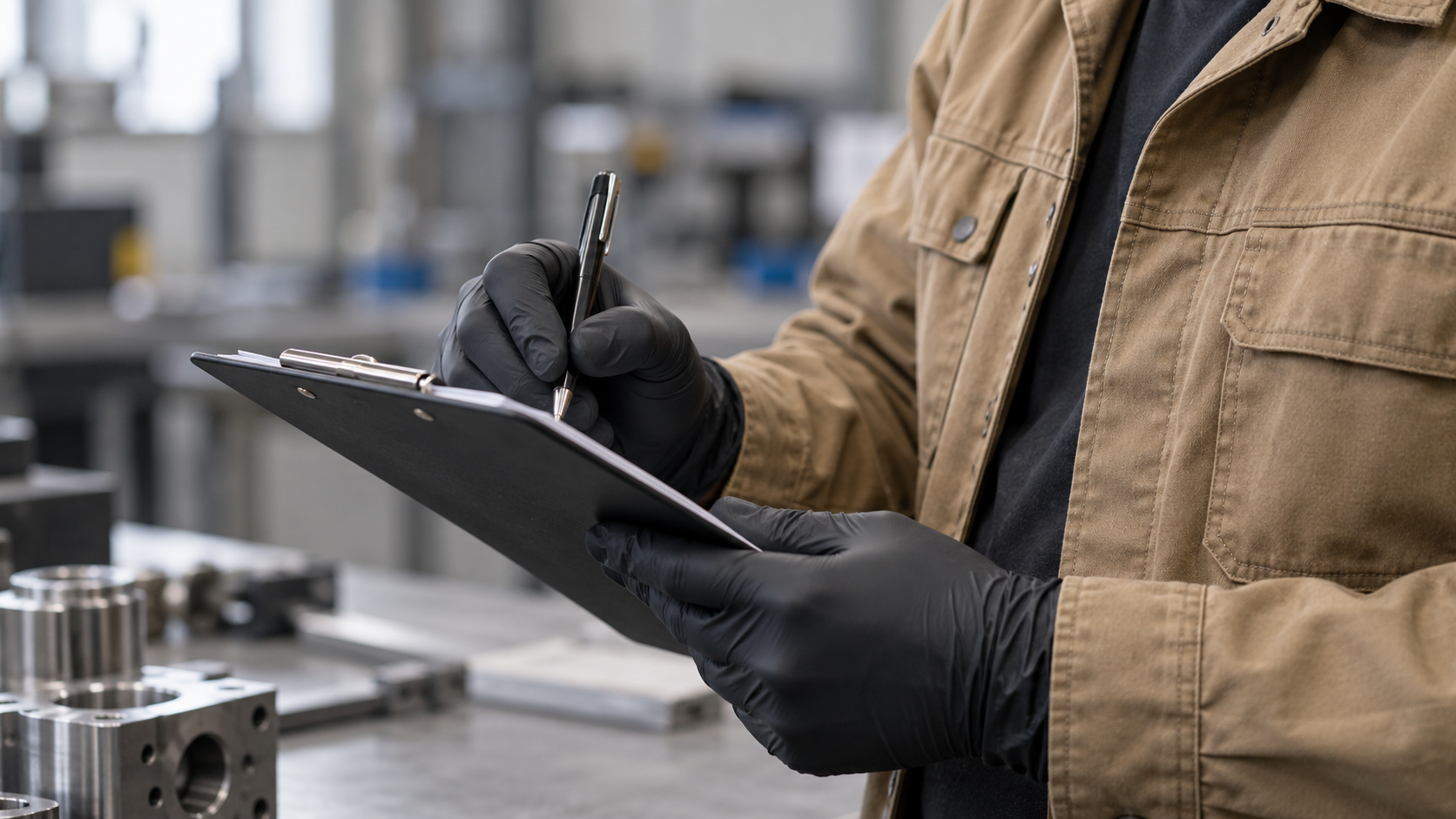
A product inspection examines goods from a specific order. Checks may cover appearance, dimensions, function, quantity, labeling, and packaging. Findings are measured against the specifications and acceptance criteria agreed for that order.
An inspection may use a sample of the goods. Agree on its scope and sampling approach in advance.
What Does Each Check?
The distinction is between the supplier’s capability and the condition of the goods:
- Factory audit: facilities and equipment
- Factory audit: production and quality systems
- Factory audit: records within the agreed scope
- Product inspection: product specifications
- Product inspection: visible defects and function
- Product inspection: quantities and packaging
Neither service replaces a clear product brief. The reviewer needs defined requirements to produce useful findings.
When Should You Audit?
Consider a factory audit when evaluating a new manufacturer, introducing a more complex product, or reviewing a supplier after recurring problems. Conduct it early enough to use the findings before committing to production.
Ask for a report that identifies observations, supporting evidence, and areas requiring follow-up.
When Should You Inspect?
Schedule an inspection around the risks and milestones of your order. Different stages provide different opportunities to identify problems.

Use Findings to Take Action
Review the report with your supplier and agree on corrective steps. Define who will address each issue, when it will be completed, and whether a follow-up check is needed. Keep the decisions in writing before approving the next stage.
Choose the Right Combination
An audit helps assess whether a factory can meet your needs. An inspection helps determine whether a particular order meets your agreed requirements. For some projects, using both provides a more complete view.