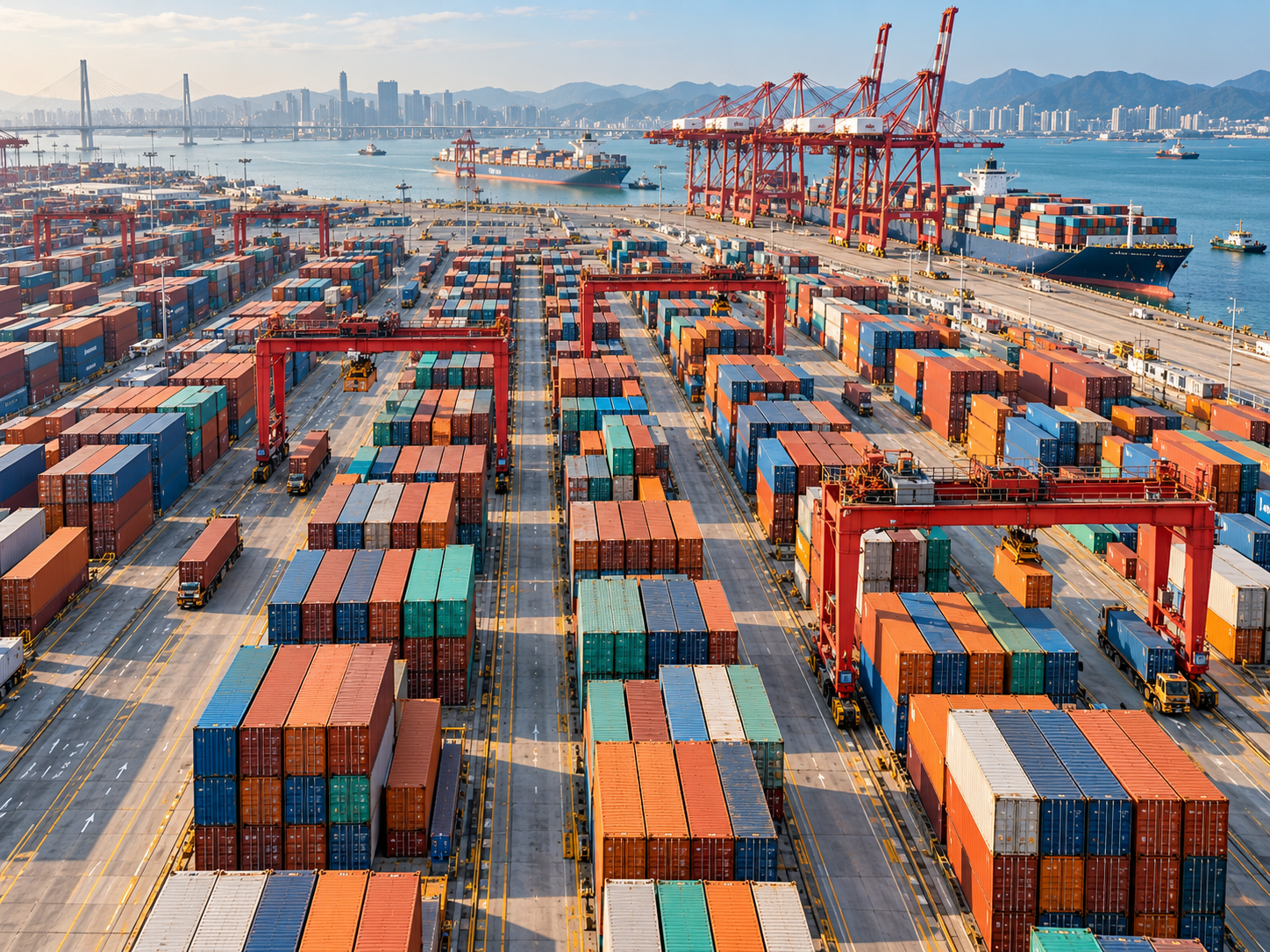
How to Reduce Shipping Costs When Importing from China
Discover practical ways to consolidate shipments, select the right freight method, and improve your international logistics strategy.
Shipping costs can have a significant impact on your total import expenses. Planning orders, packaging, and delivery schedules together can help you control costs while keeping your goods protected.

1. Consolidate Your Shipments
If you buy from multiple suppliers, consider bringing your goods together at a warehouse before arranging international transport. Consolidation can reduce duplicated collection, handling, and shipment charges.
Ask about storage, consolidation, repacking, and local transport costs first. Combining shipments makes sense when the overall savings outweigh these fees and any extra waiting time.
2. Choose the Right Freight Method
Compare freight options based on shipment size, urgency, destination, and product requirements. Sea freight often suits larger, less urgent orders, while air freight or express delivery may suit smaller or time-sensitive shipments.
For sea freight, compare less-than-container-load (LCL) and full-container-load (FCL) options where appropriate. Include destination handling and delivery charges.
The cheapest freight rate may not provide the lowest total cost or the right delivery schedule.
3. Optimize Packaging and Carton Size
Unused space and oversized cartons can increase shipping costs. Air and express services commonly consider both actual weight and volumetric weight when calculating charges.
Ask your supplier for carton dimensions, gross weight, and carton count before requesting quotations. Discuss ways to reduce unnecessary packaging space.
Keep enough protection to prevent damage. Packaging savings are quickly lost if goods arrive broken or need replacing.
4. Compare Complete Shipping Quotes
Request comparable quotations using the same shipment details and delivery requirements. Ask what each quotation includes and excludes.
- Supplier collection and origin handling
- International freight and applicable surcharges
- Documentation and clearance services
- Destination handling and final delivery
- Insurance, storage, and possible additional fees
Clarify the agreed Incoterms and each party’s responsibilities. Compare the complete landed cost, including applicable duties and taxes, rather than freight alone.

5. Plan Ahead and Avoid Rush Orders
Build a realistic schedule for production, inspection, collection, documentation, and transport booking. Allowing enough time can reduce the need for expensive emergency shipments.
Coordinate completion dates when consolidating goods from different suppliers. One delayed order can hold up the rest of the shipment.
If only part of your inventory is urgent, compare sending a smaller quantity by a faster service and the balance by a slower method.
6. Coordinate With Suppliers and Your Forwarder
Share accurate product descriptions, carton measurements, weights, collection addresses, and delivery details with your logistics partner. Incorrect information can lead to revised quotations or additional handling.
Confirm who will prepare export documents, arrange collection, and coordinate clearance and delivery. Communicate changes to quantities or production dates promptly.
Discuss transport requirements for regulated, fragile, oversized, or battery-containing products early so the quotation reflects your actual shipment.
7. Final Thoughts
Reducing shipping costs starts with considering the entire journey from supplier to destination. Consolidation, suitable freight options, efficient packaging, and clear quotations can help you make better decisions.
Choose a plan that balances total cost, delivery timing, and product protection. Coordinated suppliers and accurate shipment information make importing from China more predictable.