Understanding MOQ When Sourcing from China
When sourcing products from China, suppliers often specify a minimum order quantity, or MOQ. This determines the smallest order they are willing to produce or sell under the quoted terms.
Understanding how MOQ works can help you compare suppliers, plan your budget, and avoid buying more inventory than your business needs.

1. What Is MOQ?
MOQ stands for Minimum Order Quantity. It is the smallest quantity a supplier accepts for a particular product or order.
For example, a supplier may quote an MOQ of 500 units. Ask whether this applies to the total order, each product model, each color, or each size. A 500-unit total MOQ is different from 500 units per variation.
2. Why Do Suppliers Set MOQs?
Manufacturers have costs for sourcing materials, setting up machinery, scheduling workers, and preparing packaging. Producing a minimum number of units helps spread these costs across the order.
Some suppliers also have minimum purchasing requirements from their own material or packaging vendors. Their MOQ may reflect those requirements rather than the finished product alone.
3. What Affects the MOQ?
The minimum quantity can vary between suppliers and products. Common factors include:
- Product complexity and manufacturing process
- Material purchasing requirements
- Custom molds or tooling
- Colors, sizes, and product variations
- Printed packaging and branding
- Existing stock versus new production
A stock product may be available in smaller quantities than a fully customized item. Confirm the MOQ for your exact specifications.
4. How to Negotiate a Lower MOQ
Start by explaining your launch plan and requesting a smaller trial order. Ask what changes would make a lower quantity possible.
- Choose an existing design or standard materials
- Reduce the number of colors or variations
- Use standard packaging for the first order
- Ask about available stock
- Compare suppliers with different production capabilities
A supplier may accept a smaller order at a higher unit price or with a separate setup fee. Discuss realistic options and avoid promising future volumes you cannot commit to.
5. Look Beyond the Unit Price
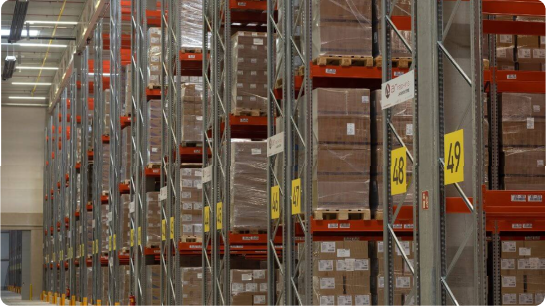
A low unit price does not always mean a better purchase. A large MOQ may require more cash and leave you holding slow-moving inventory.
Compare the full order cost, including samples, tooling, packaging, inspection, freight, and storage. Consider how quickly you expect to sell the products and whether you have room for the inventory.
Choose an order quantity that balances pricing with your budget, expected demand, and inventory risk.
6. Confirm the Terms Before Ordering
Before paying a deposit, ask the supplier to confirm the agreed quantity and conditions in writing. Check:
- MOQ per model, color, size, or variation
- Unit price at your chosen quantity
- Sample, tooling, and setup charges
- Packaging and branding requirements
- Payment terms and production timeline
- Inspection arrangements and shipment details
Clear terms help prevent misunderstandings between the initial quotation and the final production order.
7. Final Thoughts
MOQ is an important part of sourcing, but it should be considered alongside product quality, supplier capability, total cost, and your sales plans.
By asking the right questions, comparing suitable suppliers, and discussing realistic trial-order options, you can choose a quantity that supports your business without taking on unnecessary inventory.