How to Source Products from China: A Complete Guide
From finding reliable suppliers to negotiating prices, managing quality control, and arranging international shipping, discover the essential steps for building a successful sourcing process in China.
Sourcing from China connects businesses with a broad manufacturing network. Turning that opportunity into a successful order requires a clear process from the first product brief to final delivery.
Follow these steps to organize your project, compare suppliers, and manage the handoffs between sampling, production, and shipping.

Prepare Your Product Brief
Set out your product specifications, expected order quantity, packaging, budget, and target delivery date. Include drawings, dimensions, material requirements, and reference images. Decide which requirements are essential and which can be adjusted.
Find and Verify Suppliers
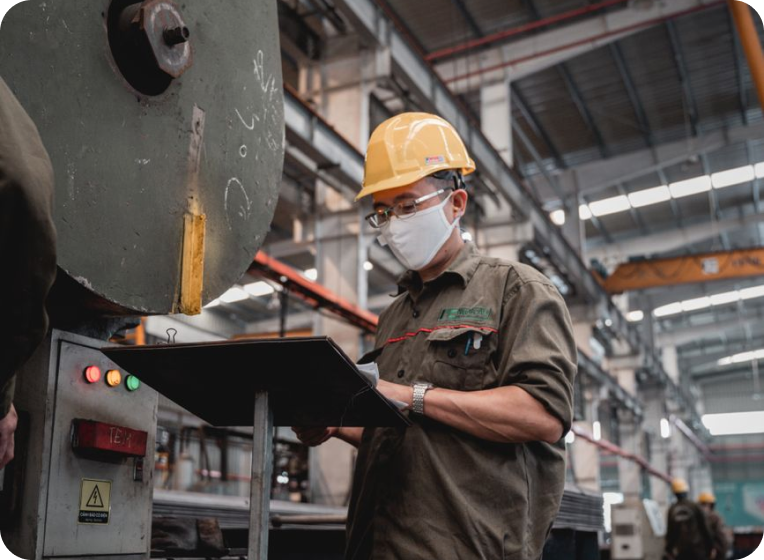
Build a shortlist of manufacturers or trading companies with relevant product experience. Ask about their facilities, production capacity, subcontracting, lead times, and quality procedures. Check company information and whether the business you contact is the one producing the goods.
A factory audit can help assess capabilities before an order. Compare its findings with samples and the supplier’s answers.
Request Comparable Quotes
Send the same product brief to shortlisted suppliers. Ask them to itemize their offers so you can compare:
- Unit price and minimum order quantity
- Materials and specifications
- Samples and tooling
- Packaging and labeling
- Production lead time
- Payment and delivery terms
Discuss alternatives if the initial offer exceeds your budget. Changes to materials or packaging should be clearly documented and approved.
Test and Approve Samples
Check the sample against your specifications. Review appearance, function, measurements, and packaging. Ask for revisions where needed, then approve a final reference sample and record what has been agreed.
Confirm sample and tooling charges, ownership arrangements, and whether production will use the approved materials and processes.

Manage Production and Quality
Confirm the order details in writing and agree on milestones. Plan checks appropriate to the product and the stage of production.

Arrange Shipping and Delivery
Confirm shipment size, packaging, destination, and delivery responsibilities before choosing freight. Compare transport options against your timeline and budget. Prepare shipment information early and allow time for inspection, handling, and destination delivery.
Review and Repeat
After receiving the goods, check quantities, condition, and product performance. Share feedback with your supplier and update your specifications before the next order.